
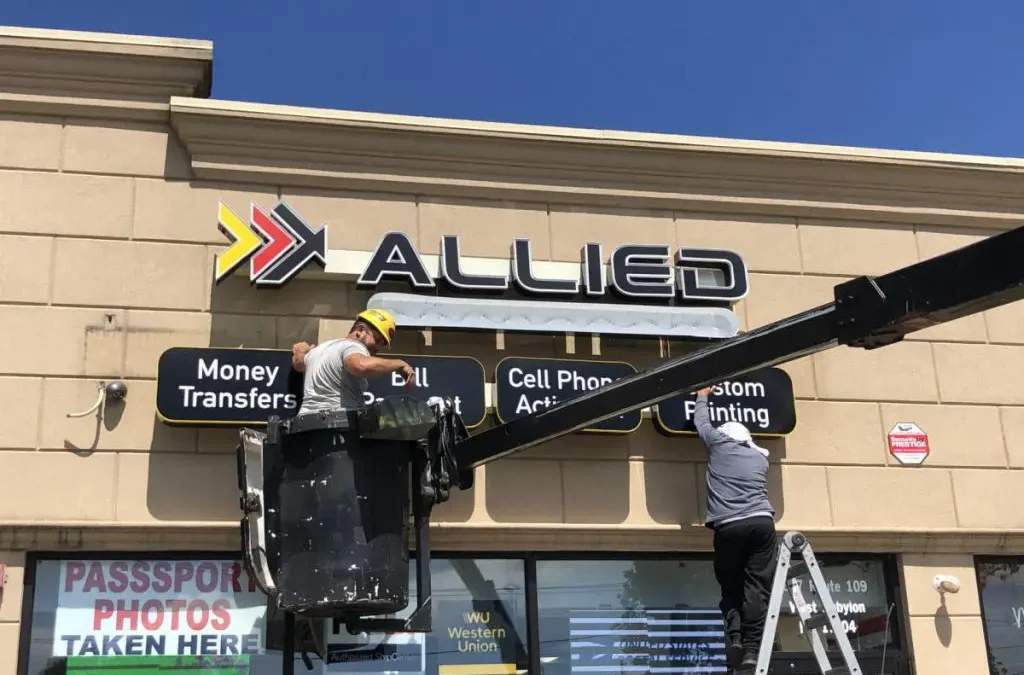
For businesses competing in busy commercial areas, visibility is an important part of attracting customers and building brand recognition. A well-designed sign helps people identify a business, understand its services, and locate its premises. However, effective signage involves more than creating an attractive design. The quality of fabrication, choice of materials, placement, and installation all contribute to the final result. Investing in professional Sign Installations Long Island businesses can rely on helps ensure that signs are positioned correctly, displayed clearly, and suited to their intended environment.
From storefront signs and office lettering to illuminated displays and building identification, professionally fabricated and installed signage can help businesses present a consistent, recognizable image. Understanding how these services work together can help business owners make informed decisions about their signage projects.
Why Professional Sign Installation Matters
Even a high-quality sign may fail to deliver the desired results if it is installed incorrectly. Poor positioning, uneven mounting, inadequate visibility, or unsuitable fixing methods can affect both its appearance and performance. Professional installation helps address these concerns by considering the sign’s dimensions, weight, mounting surface, visibility, and environmental conditions.
For example, a storefront sign should be positioned so that pedestrians and passing motorists can identify the business where appropriate. Office signs may need precise placement near entrances or reception areas, while directional signs should guide visitors without creating confusion.
Experienced installers also evaluate the building surface and determine which mounting methods are appropriate. Exterior installations may require additional consideration of wind exposure, weather conditions, access equipment, and structural support. Electrical requirements must also be addressed for illuminated signs.
Choosing professional Sign Installations Long Island services can help businesses coordinate these technical details and achieve a cleaner, more reliable finish. Depending on the project, installers may also help identify permit requirements and coordinate with property managers or other contractors.
The Importance of Custom Sign Fabrication
Custom sign fabrication turns a design concept into a physical sign that suits a business’s branding and functional requirements. Instead of relying exclusively on standard, off-the-shelf products, companies can choose customized dimensions, materials, colors, finishes, and lettering styles.
Custom Sign Fabrication Long Island businesses require can include dimensional lettering, acrylic signs, metal letters, outdoor building signs, wall logos, window graphics, and other branded displays. Each option serves a different purpose, so material and construction decisions should be based on the intended application.
Acrylic signs can provide a smooth, contemporary appearance for offices, retail environments, and reception areas. Metal letters can create a distinctive finish for corporate branding and exterior identification. Foam dimensional signs may be suitable for selected indoor applications where lightweight construction and creative shaping are priorities.
Custom fabrication also helps businesses maintain brand consistency. Matching the company’s logo, typography, colors, and proportions across different signs creates a more recognizable visual identity. When multiple signs are needed for one location or several business premises, a coordinated fabrication plan can help maintain consistency throughout the project.
How Custom Signs Improve Business Visibility
Signage is often one of the first ways potential customers encounter a business. A clear, professionally produced sign can make a storefront easier to recognize and help communicate what the company offers.
Retail businesses may use exterior signs to establish their identity and draw attention to their entrances. Restaurants can use signs to communicate their names and reinforce their atmosphere, while professional offices may use building signs and reception lettering to create a polished impression.
The effectiveness of a sign depends on several factors, including readability, contrast, size, placement, lighting, and the surrounding environment. A complicated design with too much text may be difficult to understand from a distance. In many cases, a recognizable logo, readable business name, and concise message provide a stronger result.
Businesses should also consider the relationship between signage and other marketing materials. Coordinating exterior signs with window graphics, interior logos, banners, and digital branding can create a more consistent customer experience.
Working with an experienced Long Island Sign Company can help businesses assess these requirements and select signage that reflects their identity while supporting practical visibility goals.
Choosing the Right Materials for Different Signage Projects
Material selection influences the appearance, durability, maintenance, and installation requirements of a sign. The right choice depends on where the sign will be displayed, how frequently it will be used, and the visual effect the business wants to achieve.
Common options include:
- Acrylic: Suitable for many office signs, reception logos, and contemporary branded displays.
- Metal: Often selected for dimensional lettering and signs that require a substantial, refined appearance.
- Foam: Useful for lightweight interior signs, decorative lettering, and certain promotional displays.
- Vinyl graphics: Appropriate for many window applications, glass lettering, and selected wall graphics.
- Illuminated signage: Can improve visibility during darker hours when the lighting system, location, and installation are properly planned.
Each material has specific limitations. Outdoor signs must be designed for the expected exposure to moisture, sunlight, temperature changes, and wind. Indoor signs may require greater attention to finish, cleaning, and compatibility with the surrounding interior.
Before fabrication begins, businesses should discuss material options, dimensions, mounting requirements, and maintenance expectations. This helps ensure that the finished sign is suitable for its intended environment.
Key Factors to Consider Before Installing a Business Sign
Planning a signage project carefully can reduce delays, prevent unnecessary expenses, and improve the final result. Business owners should begin by identifying the primary purpose of the sign and the audience it needs to reach.
The following factors deserve attention:
Location and visibility: Evaluate viewing distance, pedestrian movement, vehicle traffic, surrounding buildings, and potential obstructions.
Design and readability: Use clear typography, sufficient contrast, and accurate branding to make the sign easy to understand.
Fabrication quality: Confirm that materials, finishes, dimensions, and construction methods meet the project’s requirements.
Mounting and structural considerations: Ensure that the sign and its mounting system are appropriate for the supporting surface and expected environmental conditions.
Permits and local regulations: Check applicable sign codes, property restrictions, electrical requirements, and installation permissions before work begins.
Maintenance and long-term value: Consider cleaning, repairs, illumination maintenance, and expected service life when comparing options.
Addressing these details early helps align the design, fabrication, and installation stages and makes the overall process more manageable.
Common Signage Mistakes Businesses Should Avoid
One common mistake is selecting a sign based only on its appearance without considering where it will be installed. A design that works well inside a reception area may not provide sufficient visibility for an exterior location.
Another issue is using inconsistent branding across different signs. Variations in logos, colors, fonts, and messaging can make a business appear less organized. Maintaining consistent design standards helps create a recognizable identity.
Poor installation planning can also cause problems. Incorrect mounting, unsuitable materials, inadequate access planning, and overlooked regulatory requirements may lead to delays or additional costs. Working with qualified professionals and confirming project requirements in advance can help reduce these risks.
Finally, businesses should not overlook maintenance. Damaged lettering, faded graphics, loose components, or malfunctioning illumination can affect the appearance and performance of signage. Periodic inspections and appropriate maintenance help keep signs looking professional.
Strengthen Your Business Presence With Professional Signage
Effective business signage combines visual design, suitable materials, accurate fabrication, and careful installation. When these elements work together, signs can help customers identify a business, navigate its premises, and recognize its brand more easily. Whether a company needs exterior building signs, dimensional lettering, office logos, or custom promotional displays, a well-planned signage project can support a more professional and consistent business image.
Businesses exploring Sign Installations Long Island should consider visibility, mounting requirements, and applicable regulations before choosing an installation approach. Similarly, investing in Custom Sign Fabrication Long Island solutions allows businesses to select materials, dimensions, and finishes that suit their brand and location. Working with an experienced Long Island Sign Company can help bring these elements together, from design planning and fabrication to installation. Fab Visuals provides custom signage, fabrication, graphics, and display solutions to help businesses strengthen their visual identity and present a professional image across Long Island and New York City. With thoughtful planning and quality workmanship, businesses can make their signage a valuable part of their long-term branding strategy.