
Introduction
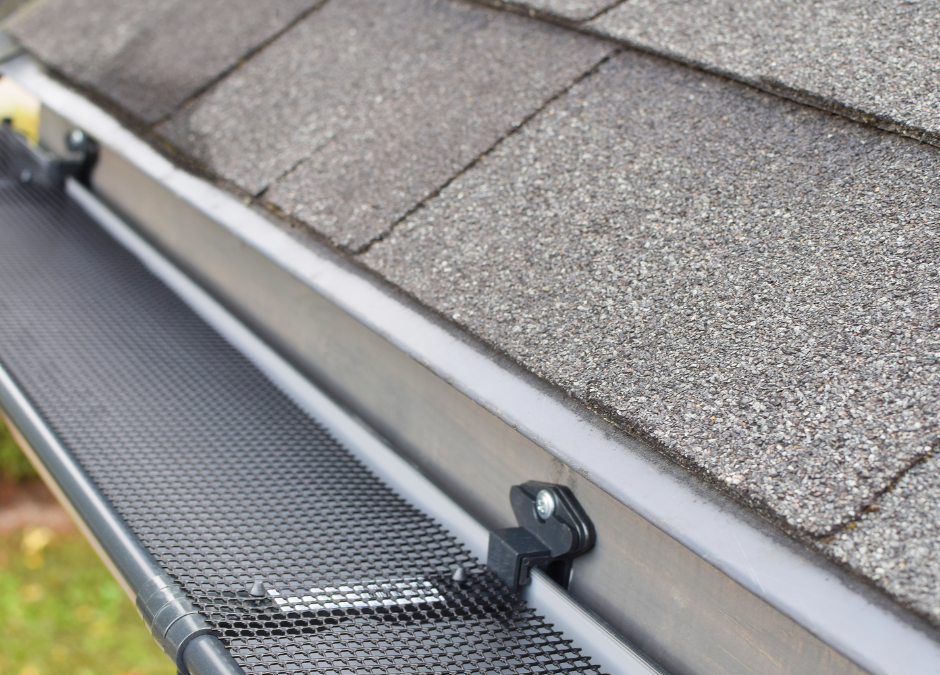
Gutters play an important role in directing rainwater away from a home’s roof, walls, foundation, and surrounding landscape. However, leaves, twigs, pine needles, seeds, and other outdoor debris can quickly accumulate inside them. When this happens, water may not drain properly, increasing the possibility of overflow and creating additional maintenance work for homeowners. This is one reason gutter protection has become an important consideration for people looking to maintain their homes more efficiently. A well-designed Gutter Screen can help reduce debris buildup while allowing rainwater to move into the drainage channel.
The Challenge of Traditional Gutters
Traditional open gutters provide an effective path for collecting and directing rainwater, but their exposed design also allows debris to enter freely. Homes surrounded by mature trees can be particularly vulnerable to frequent accumulation.
Without regular cleaning, debris can restrict water flow and contribute to overflowing during heavy rainfall. Cleaning gutters may also involve ladders and difficult-to-reach areas, making the task inconvenient and potentially hazardous. For many homeowners, reducing the amount of debris that reaches the gutter is therefore an attractive maintenance strategy.
How Gutter Screens Can Help
Gutter Screens are designed to cover the opening of a gutter while allowing rainwater to pass through. Depending on the design, they can help block larger debris such as leaves and twigs from entering the drainage channel.
Different products use different approaches, including perforated surfaces, mesh materials, and screening systems. The effectiveness of a particular design can depend on the type of debris present, the roof configuration, rainfall intensity, and the condition of the existing gutter system.
Less Frequent Gutter Cleaning
One of the main reasons homeowners consider gutter protection is the possibility of reducing routine cleaning. A properly selected and installed screen can limit the amount of material that enters the gutter, potentially making maintenance less frequent.
However, gutter protection should not automatically be considered completely maintenance-free. Small particles, seeds, pollen, and other materials can accumulate on the surface over time. Periodic inspection and occasional cleaning may still be necessary to maintain effective water flow.
Protection During Heavy Rain
Rainfall can put significant demands on a home’s drainage system. If gutters are partially blocked, heavy water flow can cause overflow and direct water toward areas where it is not wanted.
A quality protection system should allow water to enter efficiently while managing common types of debris. Homeowners should consider products designed for the rainfall conditions in their area rather than choosing solely based on appearance or price.
Choosing the Right Material and Design
Not every gutter protection product is the same. Materials, thickness, surface design, fastening methods, and overall construction can vary considerably.
Homeowners should consider the environment surrounding their property. A house beneath large trees may require a different solution from one with minimal vegetation nearby. Properties exposed to strong storms, snow, or heavy seasonal debris may also have additional requirements.
The right product should complement the existing gutter system and roof design rather than creating unnecessary restrictions on water flow.
Installation Makes a Difference
Even a well-designed product may not perform as expected when installation is poor. Before installation, homeowners should check the condition of the gutters, roof edge, fascia, and supporting components.
Proper positioning and secure attachment can help prevent gaps, movement, and areas where debris may collect. Depending on the product and property, professional installation may be worthwhile to ensure the protection system is fitted correctly.
Long-Term Home Maintenance
Gutter protection is only one part of responsible home maintenance. Homeowners should still inspect their roof drainage system periodically and look for signs of sagging, leaks, loose components, or water overflow.
Combining regular inspections with appropriate gutter protection can make it easier to identify potential issues before they become expensive repairs. Keeping downspouts clear is also important because water must have a continuous path away from the property.
Conclusion
More homeowners are exploring gutter protection because they want to reduce debris-related problems, simplify maintenance, and support reliable rainwater drainage. The best solution depends on the home’s design, surrounding vegetation, climate, gutter condition, and expected debris load. By evaluating these factors carefully and choosing a suitable product, homeowners can take a practical approach to protecting their drainage system. For homeowners seeking durable gutter-protection options for different property conditions, E-Z Gutter Guard Protection offers a range of solutions designed to help keep gutters functioning effectively while reducing unwanted debris buildup.