
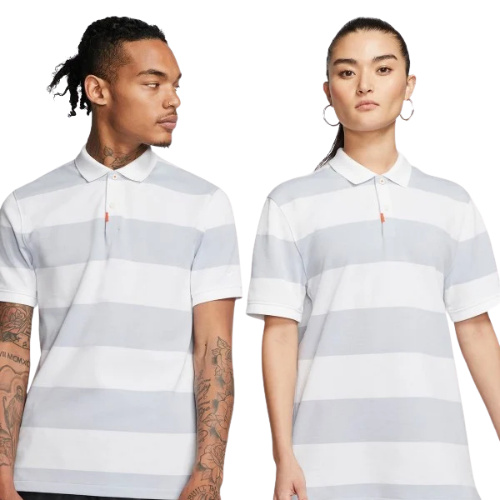
Unisex T-shirts are popular among retailers, clothing brands, promotional merchandise businesses, and organisations because they offer a straightforward approach to stocking everyday apparel. However, a unisex label does not guarantee that a garment will fit every customer in the same way.
Differences in shoulder width, chest measurements, body length, and personal fit preferences can affect how a T-shirt feels and looks. Buyers who understand these differences can select more inclusive sizing options, reduce customer dissatisfaction, and make better purchasing decisions.
Understand What Unisex Sizing Actually Means
Unisex sizing generally refers to clothing designed for people of different genders using a shared sizing system. Many unisex T-shirts use a straight or relaxed body shape, although the exact cut depends on the manufacturer.
This approach can simplify purchasing because businesses may not need to manage separate garment patterns for every customer group. However, it does not mean that all body shapes are accommodated equally by a single design.
For example, a customer may find that a T-shirt fits comfortably across the chest but feels too long through the body. Another customer may prefer a wider shoulder area or a more shaped silhouette.
Buyers should therefore evaluate garment measurements and construction instead of relying solely on the unisex label.
Identify the Measurements That Influence Fit
Several garment measurements determine how a T-shirt fits different customers. Understanding these measurements helps retailers choose products that offer a more consistent and comfortable experience.
Chest Width
Chest width affects how closely a T-shirt fits around the upper body. A narrow cut may feel restrictive, while a wider cut can create a relaxed appearance. Buyers should check the garment’s stated chest measurement and confirm whether it refers to the full circumference or a flat measurement across the chest.
Shoulder Width
Shoulder seams influence the overall shape of a T-shirt. A seam that sits too far inward may restrict movement, while one that extends beyond the shoulder can create an oversized appearance.
Body Length
Body length affects coverage and proportion. Taller customers may prefer longer garments, while shorter customers may find excessive length uncomfortable or difficult to style.
Sleeve Length and Opening
Sleeves can change both the appearance and comfort of a T-shirt. Some customers prefer shorter sleeves, while others favour a wider opening or greater coverage.
Considering these measurements together gives buyers a more complete understanding of garment fit than size labels alone.
Compare Different Fits Before Placing Wholesale Orders
T-shirts can have regular, slim, relaxed, and oversized fits. Each option serves different preferences, and choosing the right cut depends on the intended audience.
Regular-fit garments usually offer a balanced silhouette for everyday use. Slim-fit styles sit closer to the body, while relaxed and oversized designs provide additional room and a looser appearance.
Buyers comparing Men’s Unisex T-Shirts with other apparel options should review the actual measurements rather than assuming that a particular size will fit consistently across different manufacturers. A medium from one supplier may have different dimensions from a medium offered by another.
Requesting samples before placing a large order can help businesses assess shoulder placement, sleeve shape, fabric drape, and overall comfort. This is particularly useful when the products will be sold online or used for uniforms and promotional clothing.
Use Separate Product Options When They Improve Customer Choice
A shared sizing range can be convenient, but it may not meet every customer’s preferences. Offering different cuts or garment shapes can provide greater flexibility without requiring an unnecessarily large product catalogue.
For example, a retailer might offer a standard unisex cut alongside Women’s Plain T-Shirts with a different silhouette. The decision should depend on customer demand, available storage, supplier flexibility, and the cost of maintaining additional stock.
The aim is to expand choice where it delivers value rather than introducing numerous variations without evidence of demand.
Retailers can also improve accessibility by providing detailed product descriptions, model measurements where appropriate, and garment-specific size charts. Clear information helps customers choose according to their preferred fit rather than relying on gender-based assumptions.
Consider Fabric Composition and Garment Construction
Fit depends on more than measurements. Fabric weight, stretch, and construction can influence how a T-shirt behaves when worn.
Cotton garments may feel different from cotton-polyester blends, while fabrics containing elastane can offer additional stretch. Heavier materials may hold their shape differently from lightweight fabrics, affecting how the garment drapes across the shoulders and body.
Buyers sourcing wholesale plain t-shirts London suppliers should check fabric composition, garment weight, stitching quality, and sizing specifications before selecting a product range. Consistency between batches is also important when businesses need to replenish popular sizes.
Washing instructions deserve attention as well. Some fabrics may shrink or change shape if washed incorrectly, so appropriate care guidance can help customers maintain the intended fit.
Improve Size Charts and Product Descriptions
An accurate size chart is one of the simplest ways to improve the customer experience. However, the chart must match the actual garment and explain how measurements are taken.
Retailers should clarify whether measurements represent the garment laid flat or the full body circumference. Where relevant, they can explain how to measure chest width, body length, and sleeve length.
Product descriptions should also distinguish between a standard fit and an oversized fit. Terms such as relaxed, slim, and boxy are more useful when supported by clear measurements.
Businesses selling across different regions should check sizing expectations for their target markets rather than assuming that size labels are universal. Consistent product information can reduce uncertainty and help customers compare items more accurately.
Use Customer Feedback to Guide Inclusive Sizing
Inclusive sizing should be based on actual customer needs rather than assumptions about body shape or gender. Retailers can review customer feedback, return reasons, and sales data to identify gaps in their existing range.
If customers frequently report that sleeves are too tight or garments are too long, these patterns may indicate a need for a different cut or more detailed product information.
A business may also discover that customers prefer a wider size range or additional fit options. Testing a limited selection before expanding the full catalogue helps control inventory costs while providing useful evidence about demand.
Inclusive sizing does not require every garment to fit every person identically. It requires clear information, practical options, and a purchasing process that respects differences in body proportions and fit preferences.
Conclusion
Unisex T-shirts offer convenience, but their shared sizing labels do not eliminate differences in body proportions, garment construction, or individual preferences. Buyers can make better decisions by comparing measurements, evaluating fabric behaviour, reviewing size consistency, and offering appropriate fit options.
For retailers and wholesale purchasers, a more inclusive sizing strategy combines accurate product information with customer feedback and evidence-based inventory planning. This approach can improve fit satisfaction, reduce avoidable returns, and help businesses develop a clothing range that serves a wider audience.