
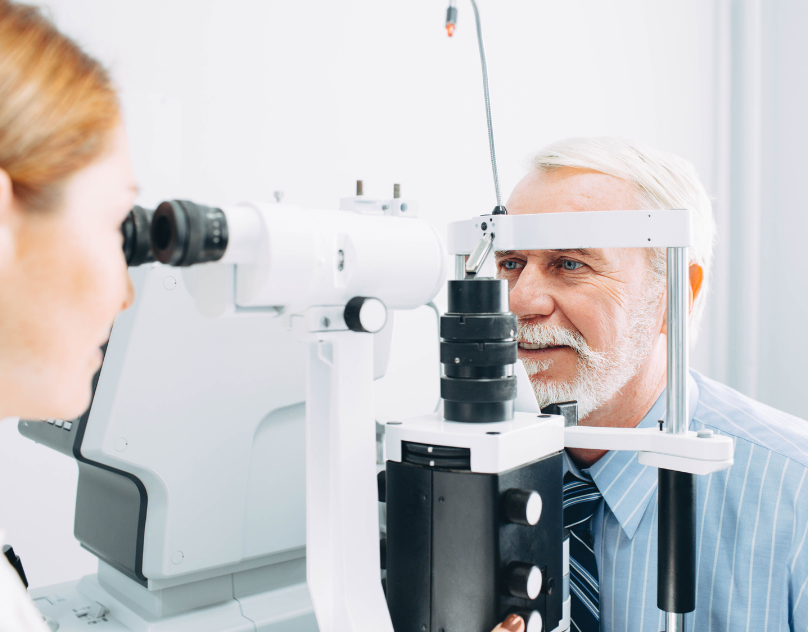
A comprehensive eye examination is about more than finding out whether you need stronger glasses. It provides an opportunity to assess your vision, review your eye health, and identify changes that may not yet be affecting how clearly you see. For people looking for Comprehensive Eye Exams in Brampton, understanding what happens during an appointment can make the experience more comfortable and help you prepare. A thorough examination may include different assessments based on your vision, eye health, age, and individual needs. Optometry practices also use the information gathered during an examination to help determine appropriate options for eyeglasses, contact lenses, or other eye-care needs. Knowing what to expect can help you make better use of your appointment and understand why routine eye examinations are an important part of maintaining good vision.
Understanding the Purpose of the Examination
A comprehensive examination begins with an overall look at your vision and eye health rather than focusing on one isolated concern. The purpose is to understand how well you see and identify changes or conditions that may require attention. Regular examinations can help detect eye conditions before they begin to affect vision noticeably. The clinic’s service information highlights conditions such as glaucoma, macular degeneration, cataracts, and diabetic eye disease as examples of problems that can seriously affect vision. This makes an eye examination useful even when your eyesight seems normal. Your needs may also change over time, so an examination provides an opportunity to review your current visual needs and determine whether your prescription or eye-care plan needs attention.
Reviewing Your Vision and Prescription
One important part of an examination is assessing your vision and determining whether your current prescription remains appropriate. Changes in vision can happen gradually, and some people may adapt to those changes without immediately realizing that their eyesight has become different. The examination provides an opportunity to evaluate your vision and determine whether corrective lenses may be appropriate. If you already wear eyeglasses or contact lenses, the results can help determine whether your current prescription continues to meet your needs. The clinic emphasizes that obtaining the correct prescription for eyeglasses or contact lenses starts with a comprehensive eye examination. This makes the examination an important step before selecting new eyewear or updating an existing prescription.
Assessing Overall Eye Health
Vision testing is only one part of comprehensive care. An examination also provides an opportunity to assess the health of your eyes and look for signs that may require monitoring or further attention. According to the clinic’s service information, routine eye examinations can help detect certain eye conditions before they begin affecting vision. Glaucoma, cataracts, macular degeneration, and diabetic eye disease are specifically identified among conditions that can contribute to vision loss. This is one reason an examination should not be viewed simply as a way to obtain a glasses prescription. Looking at both vision and eye health gives the optometrist a broader understanding of your needs and can support appropriate follow-up when an eye-health concern is identified.
Discussing Your Individual Eye-Care Needs
Every patient comes to an examination with different visual requirements. Someone who relies on eyeglasses may have different needs from someone who wears contact lenses, while another person may be concerned about a change in vision or an existing eye condition. During your appointment, the information gathered through the examination can help guide the discussion about your individual needs. The clinic provides services that include comprehensive examinations, contact lens examinations and fittings, emergency eye care, ocular disease management, dry-eye care, diabetic eye examinations, and laser and refractive surgery co-management. This range of services means that an examination can serve as an important starting point for understanding which type of eye care is appropriate for your situation.
Choosing Eyeglasses or Contact Lenses
If your examination indicates that corrective lenses are appropriate, the results can help guide your eyewear choices. Your visual needs, prescription, and preferences all matter when choosing between eyeglasses and contact lenses. The practice offers eyeglass frames and contact lenses as part of its products and services, including soft contact lenses, scleral contact lenses, and RGP and hybrid lenses. This can be particularly useful when your visual needs require more than a standard eyewear solution. A comprehensive examination provides the information needed to discuss these options with your eye-care provider. Rather than selecting eyewear based only on appearance, you can make a decision based on your prescription and the type of correction that suits your needs.
How Long Does an Eye Examination Take?
There is no single appointment length that applies to every patient because the time required can depend on the examination and the individual’s needs. A routine appointment may involve several different assessments, while patients who have specific concerns or require additional evaluation may need more time. The clinic does not publish a fixed examination duration on its website, so it is better not to assume that every appointment will take exactly the same amount of time. When planning your visit, allow enough time for the complete assessment and any discussion that follows. If you have a specific concern, existing eye condition, or questions about your appointment, contacting the clinic beforehand can help you understand what to expect and plan accordingly.
Preparing Before Your Appointment
A little preparation can make your appointment more productive. Consider making a note of any changes you have noticed in your vision, such as difficulty seeing clearly or changes that have developed since your previous examination. If you currently use eyeglasses or contact lenses, having information about your current prescription can also be useful. It can help to think about how your vision affects everyday activities, whether you use corrective lenses regularly, and whether you have particular concerns you want to discuss. The clinic encourages patients to prepare beforehand for their comprehensive eye examination. Arriving prepared can help ensure that your concerns are clearly communicated and that there is time to discuss relevant questions during your visit.
Why Routine Examinations Matter
An eye examination should not only be considered when you notice a problem with your eyesight. The clinic explains that routine examinations are an important part of maintaining good vision because they can help identify certain eye conditions before they begin to affect vision. This is especially relevant because some eye-health changes may not produce obvious symptoms at first. Regular care also gives your optometrist an opportunity to compare your current findings with previous information and recognize changes over time. If your visual needs change, the examination can also help determine whether your prescription or eye-care approach should be updated. Maintaining a routine schedule appropriate for your individual circumstances supports ongoing attention to both vision and eye health.
What Happens After the Examination?
Once the examination is complete, the next steps depend on what has been found and what you need. If your prescription requires an update, you may discuss eyeglasses or contact lenses. If an eye-health concern is identified, your optometrist may discuss appropriate monitoring or management. The clinic provides ocular disease management and other specialized services, so patients with particular concerns can receive care related to their individual needs. The practice also offers an optical lab and states that a wide range of lenses are kept in stock, allowing some eyeglass prescriptions to be filled the same day. Eyeglass repairs and adjustments are also available through the onsite lab. These services can make the transition from examination to eyewear more convenient when corrective lenses are recommended.
Comprehensive Eye Care for Different Needs
Eye care is not limited to one type of patient or one type of vision concern. Children, adults, contact lens wearers, people managing diabetes, and patients experiencing urgent eye problems may all require different forms of professional attention. The clinic offers children’s eye examinations as well as contact lens examinations and fittings, emergency eye care, dry-eye services, diabetic eye examinations, ocular disease management, and refractive surgery co-management. This broader approach allows an examination to be considered within the context of the patient’s overall eye-care needs. For someone searching for Eye Exam Brampton, the most useful approach is to consider not only the examination itself but also whether the practice can support the patient’s needs if further eye care, eyewear, or follow-up becomes necessary.
Making the Most of Your Appointment
A comprehensive examination is most useful when you actively participate in the appointment. Tell your optometrist about changes in your vision and mention concerns that may seem minor, particularly if they are new or persistent. Be prepared to discuss your current eyewear and how well it works for your daily activities. If you have questions about your prescription, contact lenses, eyeglasses, or eye health, raising them during the appointment can help you better understand your options. Good communication is an important part of effective Brampton eye care, because your eye-care needs are personal and may change over time. A thorough examination combined with an open discussion gives your optometrist useful information for making appropriate recommendations based on your individual circumstances.
Final Thoughts
A comprehensive eye examination provides much more than a simple vision check. It brings together an assessment of your vision, prescription needs, and overall eye health while creating an opportunity to discuss concerns and appropriate next steps. The amount of time required can vary because examinations are tailored to the individual rather than following one identical process for everyone. Preparing beforehand, communicating changes in your vision, and allowing enough time for the appointment can help you get more value from your visit. For patients seeking ongoing professional eye care in the Brampton or Mississauga area, Drs. J&K Gill & Associates provides comprehensive examinations alongside services such as children’s eye care, contact lens fittings, ocular disease management, diabetic eye examinations, dry-eye care, and emergency eye care.