
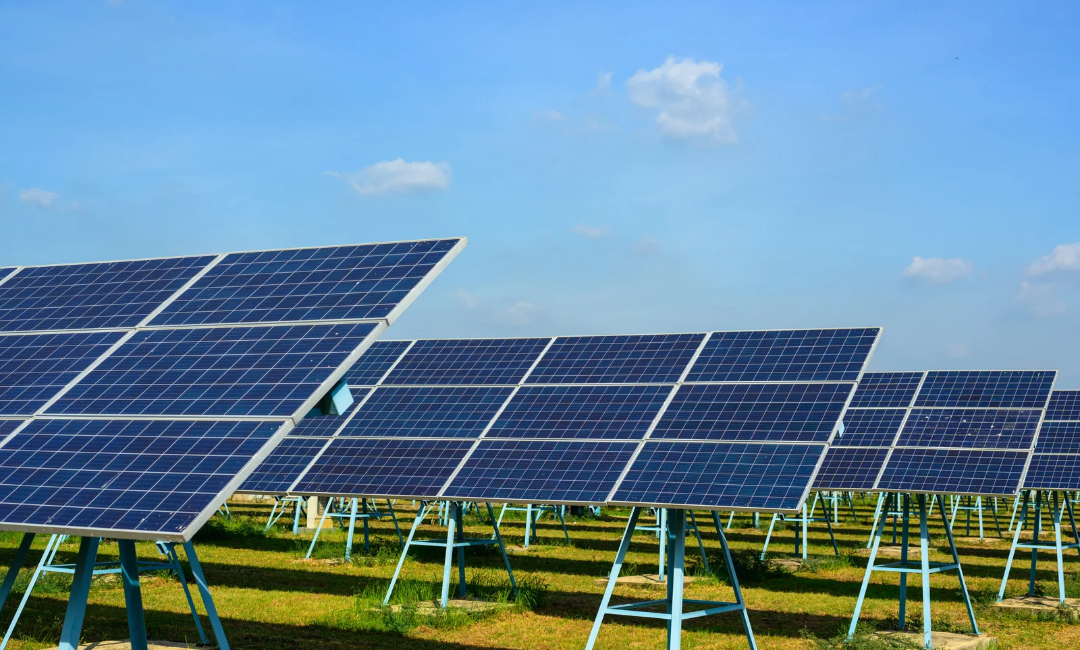
Electricity is an essential part of everyday household life, powering everything from kitchen appliances and air conditioning to entertainment devices and home office equipment. However, many households consume electricity at different times throughout the day, which can influence how effectively they manage their energy expenses. With the growing adoption of renewable energy, residential solar systems offer an opportunity to generate electricity directly from sunlight and make better use of available daytime energy.
For homeowners exploring Residential Solar Cairns, understanding how solar generation aligns with everyday electricity consumption can help them make informed decisions about their household energy requirements.
Understanding How Daytime Electricity Consumption Works
Most households follow predictable daily routines, although electricity consumption can vary depending on family size, work schedules and lifestyle choices. Morning activities often involve cooking, preparing for work or school, running washing machines and using hot water systems.
During the afternoon, air conditioning, refrigeration, computers and other appliances may continue consuming electricity. Households with people working remotely can also experience consistent daytime energy demand.
Without an on-site energy generation system, these activities generally rely on electricity supplied through the grid. Solar panels provide another option by generating electricity during daylight hours, allowing suitable household appliances to use solar-generated power as it becomes available.
How Residential Solar Supports Daytime Energy Use
Solar panels convert sunlight into electricity through photovoltaic technology. The generated electricity can supply household appliances while the system is producing power.
When solar generation exceeds the property’s immediate electricity demand, surplus electricity may be exported to the electricity grid, depending on the connection and applicable arrangements. When household consumption exceeds solar production, additional electricity can be drawn from the grid or a compatible battery storage system.
This process allows households to use locally generated renewable electricity rather than relying entirely on grid-supplied energy throughout the day.
The amount of electricity available depends on factors such as system capacity, sunlight exposure, panel orientation, weather conditions and household demand.
Making Everyday Appliances Work With Solar Generation
One practical way to improve the use of daytime solar electricity is to adjust certain household activities around peak solar production periods.
For example, homeowners may consider operating washing machines, dishwashers and other energy-intensive appliances during daylight hours when sufficient solar electricity is available. Similarly, scheduling pool pumps and compatible water heating systems to operate during suitable solar generation periods can help increase the direct use of generated electricity.
Air conditioning can also contribute to daytime energy consumption, particularly during warmer months. Using solar-generated electricity to support cooling requirements can help households manage their overall grid electricity usage.
These adjustments do not necessarily require major lifestyle changes. Small improvements in appliance scheduling can make a difference to how effectively a household uses its available solar energy.
The Role of Solar Batteries in Household Energy Management
Although solar panels generate electricity during daylight hours, household energy requirements do not stop when the sun goes down. Evening activities such as cooking, lighting, entertainment and operating household appliances often increase electricity demand after solar generation has declined.
Battery storage can help address this difference between electricity production and consumption. A compatible solar battery stores surplus electricity generated during the day for use later, including during the evening and certain periods of low solar production.
Battery capacity, charging efficiency and household consumption patterns all influence how effectively stored electricity can support a property.
For homeowners considering Residential Solar Cairns, evaluating whether battery storage is appropriate can be an important part of planning a complete household energy solution.
Why System Size Matters for Daytime Electricity Usage
Selecting an appropriate solar system size is important because household electricity requirements differ considerably. A small household with limited daytime appliance usage may have different energy needs from a larger family operating air conditioning, home office equipment and multiple appliances throughout the day.
Reviewing previous electricity bills can provide useful information about average consumption and seasonal demand. Homeowners should also consider future changes, such as purchasing an electric vehicle, installing additional cooling equipment or expanding their living space.
A properly assessed system can be designed around available roof space, expected energy consumption and the property’s electricity requirements.
Rather than focusing only on the number of solar panels, it is important to consider how the complete system will support everyday household activities.
Understanding Seasonal Changes in Solar Electricity Production
Solar electricity production is not identical throughout the year. Daylight hours, cloud cover, rainfall and the sun’s position can influence how much electricity a system generates.
In tropical locations such as Cairns, households experience warm weather and seasonal rainfall that can affect daily solar production. Clear days may provide favourable generation conditions, while cloudy weather can reduce the amount of electricity produced.
Understanding these seasonal variations helps homeowners develop realistic expectations about solar performance. Monitoring tools can also provide useful information about electricity generation and household consumption, making it easier to identify opportunities for improved energy management.
Developing Smarter Household Energy Habits
Residential solar works most effectively when the system is supported by sensible electricity usage habits. Homeowners can review their daily routines, identify appliances that operate during daylight hours and consider adjusting their schedules where practical.
Energy-efficient appliances, suitable system sizing and regular performance monitoring can further support effective household energy management.
These measures can help households make more productive use of available solar electricity while reducing unnecessary reliance on grid power.
Conclusion
Residential solar provides households with an opportunity to generate renewable electricity and use it to support everyday daytime activities. By coordinating appliance usage with solar production, selecting an appropriate system size and considering battery storage, homeowners can develop a more effective approach to household energy management.
Understanding individual electricity consumption patterns is an important first step towards making better use of solar power. With thoughtful planning and suitable system design, households can take advantage of available sunlight while building more energy-conscious routines.