
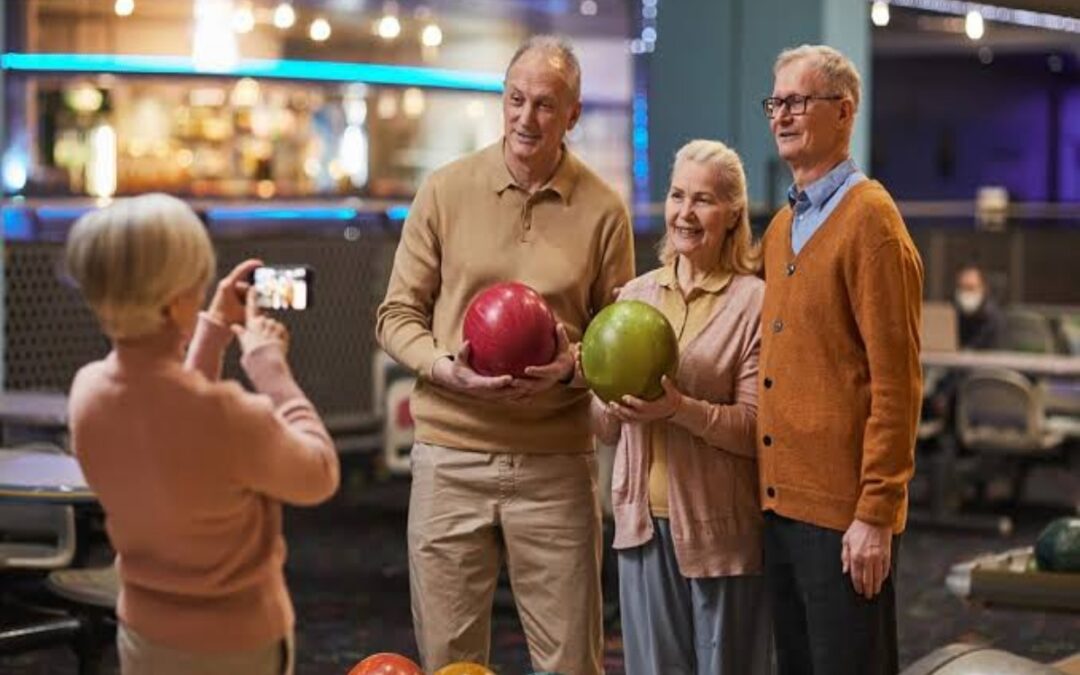
Staying engaged and active becomes increasingly important throughout adulthood. Adult recreation activities offer enjoyable ways to combine physical movement, social interaction, hobbies, learning, and relaxation. Rather than focusing only on traditional workouts, recreational programs give adults opportunities to explore different interests while maintaining an active lifestyle. Community-based facilities such as the Siegel Jewish Community Center provide a variety of programs that can help adults remain connected, involved, and physically active.
What Are Adult Recreation Activities?
Adult recreation activities include organized and informal programs designed to help adults enjoy their free time while participating in meaningful experiences. These activities can range from fitness and sports to swimming, arts, educational programs, social gatherings, and community events.
Different adults have different interests and fitness abilities, so having a variety of options makes recreational programming more inclusive. Some people may prefer an energetic group exercise class, while others may enjoy a relaxed social activity or educational program.
Popular options may include:
- Swimming and aquatic activities
- Group fitness classes
- Yoga and stretching
- Pickleball and other sports
- Walking and recreational groups
- Arts and creative programs
- Educational activities and social events
Staying Physically Active
Physical activity is an important part of maintaining overall wellbeing. Recreation provides an enjoyable alternative for adults who may not enjoy repetitive gym routines.
Swimming, walking, group exercise, sports, and aquatic fitness can all provide opportunities to incorporate movement into a weekly schedule. Participating regularly can help adults build healthier routines while making exercise feel more enjoyable and purposeful.
The Siegel JCC offers a range of fitness opportunities, including group exercise, swimming, personal training, and recreational sports, allowing members to select activities that fit their interests and goals.
Exploring Swimming and Aquatic Recreation
Swimming can be a versatile recreational activity for adults. Some participants may enjoy swimming laps as part of their fitness routine, while others may prefer water-based classes or relaxed recreational swimming.
Aquatic activities can provide a different exercise environment because water creates natural resistance during movement. Classes such as water aerobics and Aqua Zumba can also add variety for adults who prefer instructor-led group activities.
Regular aquatic participation can become both a fitness activity and an enjoyable way to spend time within a community setting.
Enjoying Group Fitness Classes
Group fitness classes create a structured environment where adults can exercise alongside others. The presence of an instructor provides direction, while the group atmosphere can make sessions more engaging.
Depending on individual preferences, adults may explore activities such as yoga, Pilates, strength training, dance-inspired workouts, or aquatic fitness.
Trying different classes can also help participants find activities they genuinely enjoy. This can be valuable because an enjoyable exercise routine is often easier to maintain consistently.
Recreation Through Sports and Games
Recreational sports provide another way for adults to remain active while enjoying friendly competition and social interaction. Activities such as pickleball, basketball, tennis, and other games can combine movement with opportunities to connect with other participants.
Sports can also encourage skills such as:
- Coordination and balance
- Communication and teamwork
- Concentration and decision-making
- Physical endurance
- Social interaction
The emphasis does not always have to be on competition. Recreational sports can simply provide an enjoyable reason to move and spend time with others.
Building Social Connections
Recreation is not only about physical activity. Social connection is another valuable part of participating in community programs.
Adults can meet people with similar interests through classes, clubs, sports, educational programs, and social events. Regular participation can create familiarity and a stronger sense of belonging.
For adults who enjoy being part of a group, community recreation can provide an opportunity to develop friendships and maintain social connections while participating in activities they enjoy.
Learning New Skills and Exploring Interests
Recreation can also be a pathway to lifelong learning. Adults may want to develop a new hobby, improve an existing skill, or simply explore something outside their normal routine.
Educational programs, creative activities, cultural experiences, and hobby-based groups can provide opportunities to learn in a relaxed environment. Learning something new can add variety to everyday life and encourage curiosity.
Recreation for Different Stages of Adulthood
Adult recreation should not be limited to one age group or fitness level. Young adults, working professionals, parents, and older adults can all benefit from activities that match their interests and abilities.
A flexible recreation program can offer different levels of intensity and a variety of formats. Some participants may want challenging workouts, while others may prioritize social interaction, gentle movement, or leisure activities.
The ability to choose from different programs allows adults to create a recreational routine that suits their lifestyle.
Making Time for Recreation
Busy schedules can make it difficult for adults to prioritize leisure and physical activity. Having access to organized programs can make it easier to dedicate specific time to recreation.
Creating a weekly schedule can help. For example, an individual might attend a group fitness class one day, swim another day, and participate in a recreational sport or social activity later in the week.
The goal is not to fill every free moment with activities but to create a healthy balance between responsibilities, exercise, relaxation, and social connection.
Choosing the Right Recreational Program
When selecting adult recreation activities, participants should consider their interests, current fitness level, available time, and personal goals.
It can be helpful to ask:
- Is the activity enjoyable?
- Does the schedule fit comfortably?
- Is the intensity appropriate?
- Does the program encourage social interaction?
- Are instructors or staff available when guidance is needed?
- Can the activity become part of a regular routine?
Choosing activities that feel realistic and enjoyable can make long-term participation easier.
Summary
Adult recreation activities provide valuable opportunities to stay active, develop new interests, meet people, and enjoy meaningful leisure time. From swimming and fitness classes to recreational sports, educational programs, and social activities, there are many ways adults can remain engaged within their community. At a welcoming community center such as the Siegel JCC, recreational programs can support an active lifestyle while creating opportunities for connection, learning, enjoyment, and personal growth.