
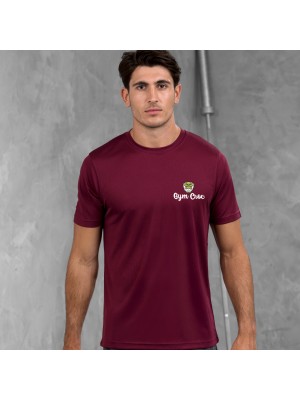
Buying plain T-shirts in large quantities can be a smart way to control costs, maintain consistent stock, and support custom apparel production. However, a low price does not always mean good value. Poor fabric, inconsistent sizing, excessive shrinkage, weak stitching, and unreliable colour quality can quickly turn a bulk purchase into an expensive mistake.
For retailers, clothing brands, printers, and other apparel buyers, the challenge is knowing what to inspect before committing to a large order. Understanding fabric composition, construction, sizing, durability, and supplier reliability can make the difference between stock that sells confidently and stock that generates complaints.
This guide explains the practical checks buyers should make before ordering plain t shirts uk in bulk, helping you evaluate quality beyond the price tag.
Start With the Fabric
Fabric is one of the strongest indicators of a T-shirt’s overall quality. A garment may look excellent in product photographs but feel completely different when handled in person.
Look beyond labels such as “premium” or “high quality.” Ask for specific information about:
- Fibre composition
- Fabric weight or GSM
- Weave and construction
- Cotton type
- Finishing processes
- Expected shrinkage
Cotton is widely used because of its comfort and breathability, while polyester and blended fabrics may offer different levels of durability, moisture management, and shape retention.
Why GSM Matters
GSM, or grams per square metre, indicates the weight of the fabric. A higher GSM generally means a heavier fabric, but heavier does not automatically mean better.
The ideal weight depends on the intended use. Lightweight T-shirts may work well for warm-weather clothing, while heavier fabrics can provide a more substantial feel and may be preferred for streetwear or premium garments.
The important point is consistency. If a supplier specifies a particular GSM, samples should reasonably match that specification.
Inspect Stitching and Construction
A quality T-shirt should have clean, secure stitching throughout the garment. Weak construction can lead to stretched seams, loose threads, or holes after repeated washing.
Before placing a bulk order, inspect:
- Shoulder seams
- Side seams
- Sleeve attachment
- Bottom hem
- Neckline construction
- Thread consistency
Turn the garment inside out when examining a sample. The inside can reveal problems that are not obvious from the outside.
Pay particular attention to loose threads and uneven stitching. A few minor imperfections may occur during manufacturing, but repeated issues across several samples could indicate inconsistent quality control.
Check the Neckline Carefully
The neckline receives considerable stress during everyday use. A poorly constructed collar may stretch, twist, or lose its shape after washing.
Ribbed collars should recover their shape after gentle stretching. Check whether the neckline sits evenly around the garment and whether the seam connecting the collar to the body is secure.
For businesses selling printed or branded apparel, neckline stability is particularly important because customers often associate a stretched collar with poor overall garment quality.
Test the Fit and Measurements
Sizing problems are among the most frustrating issues associated with bulk apparel orders.
Never assume that two suppliers using the same size label will produce identical measurements. A “medium” from one manufacturer may differ noticeably from a medium from another.
Request a detailed size chart and compare measurements such as:
- Chest width
- Body length
- Shoulder width
- Sleeve length
- Sleeve opening
Measure physical samples rather than relying entirely on the supplier’s chart. If the order will include several sizes, test multiple sizes before approving production.
Consistent grading between sizes is also important. A good size range should increase logically rather than producing unexpected jumps between measurements.
Test for Shrinkage Before Ordering
Shrinkage can create serious problems for retailers and custom apparel businesses. A T-shirt that fits correctly before washing may become significantly shorter or narrower afterward.
This is why plain t shirts wholesale purchases should ideally involve sample testing before the final order is approved.
Wash samples according to the recommended care instructions and compare measurements before and after washing. Check:
- Body length
- Chest width
- Sleeve length
- Neckline shape
- Overall appearance
One sample is useful, but testing several garments provides better evidence of consistency.
Evaluate Colour Consistency
Colour is another area where bulk orders can create unexpected problems.
If a business is ordering black, white, navy, or other popular colours, consistency between production batches is important. Slight differences may become noticeable when garments are displayed together or used in the same custom apparel collection.
Ask suppliers how they manage colour standards and whether repeat orders can maintain consistency.
For white garments, also inspect the fabric for uneven opacity, particularly under bright lighting. Excessively thin or inconsistent fabric can affect the finished appearance.
Don’t Judge Quality by Price Alone
Price matters, but it should not be the only comparison point.
Two suppliers may offer seemingly similar T-shirts at different prices because their products differ in fabric weight, construction, finishing, quality control, packaging, or production standards.
When comparing suppliers, consider the total value offered.
Look at the Full Cost
A cheaper T-shirt can become more expensive if it results in:
- Higher return rates
- Customer complaints
- Printing failures
- Excessive shrinkage
- Unsold inventory
- Frequent replacement orders
The goal is not necessarily to find the cheapest garment. It is to find a product whose quality is appropriate for its intended market and price point.
Ask for Samples Before a Large Order
Sample testing is one of the most effective ways to reduce purchasing risk.
A supplier’s product description can provide useful information, but physical samples allow buyers to evaluate details that specifications cannot fully communicate.
When reviewing samples, create a simple checklist covering:
- Fabric feel and composition
- GSM and thickness
- Stitching quality
- Neckline recovery
- Measurements
- Colour consistency
- Washing performance
- Overall finish
If several samples show the same quality standards, confidence in the larger order increases.
Watch for Misleading Quality Claims
Terms such as “premium,” “heavyweight,” “durable,” and “eco-friendly” can sound impressive but may not provide enough information to evaluate a product.
Ask suppliers to support broad claims with measurable specifications.
For example, instead of simply accepting “heavyweight cotton,” ask for the actual fabric composition and GSM. Instead of relying on “pre-shrunk,” ask what shrinkage tolerance can reasonably be expected after washing.
Specific information makes supplier comparisons much easier.
Questions to Ask a Plain T-Shirt Supplier
Before confirming an order, buyers should ask:
- What is the exact fabric composition?
- What is the stated GSM?
- Is the fabric pre-shrunk?
- What is the expected shrinkage percentage?
- Are measurements consistent across production batches?
- Can samples be provided before bulk production?
- What quality-control checks are performed?
- What are the available size specifications?
- How are colour standards maintained?
- What happens if the delivered goods do not match the approved sample?
Clear answers can reveal how seriously a supplier approaches quality and customer service.
A Practical Approach to Bulk Buying
The safest purchasing process is simple: sample, test, compare, then order.
First, define the quality requirements for your intended market. Next, obtain samples from suitable suppliers and assess them using the same checklist. Wash and measure the garments, inspect the construction, and compare the results against the supplier’s specifications.
Only after the samples meet your requirements should you move forward with a larger order.
This approach also makes it easier to compare bulk buy plain t shirts options objectively rather than making decisions based solely on attractive pricing.
Conclusion
High-quality plain T-shirts are defined by more than appearance. Fabric composition, GSM, stitching, sizing accuracy, neckline construction, shrinkage, colour consistency, and production reliability all influence the final value of a bulk order.
The most effective buyers do not simply ask, “How much does it cost?” They ask, “What quality am I receiving for that cost, and will it remain consistent?”
By requesting samples, testing garments, checking measurable specifications, and asking suppliers the right questions, businesses can reduce purchasing risks and build a more dependable apparel inventory. A careful quality check before placing an order is far less costly than discovering problems after hundreds or thousands of garments have already arrived.